Today
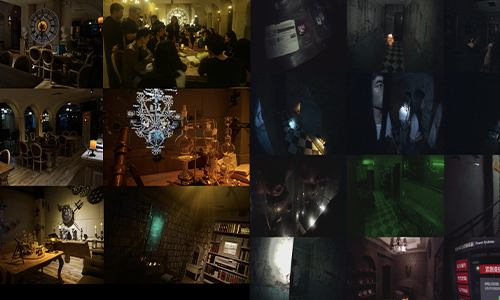
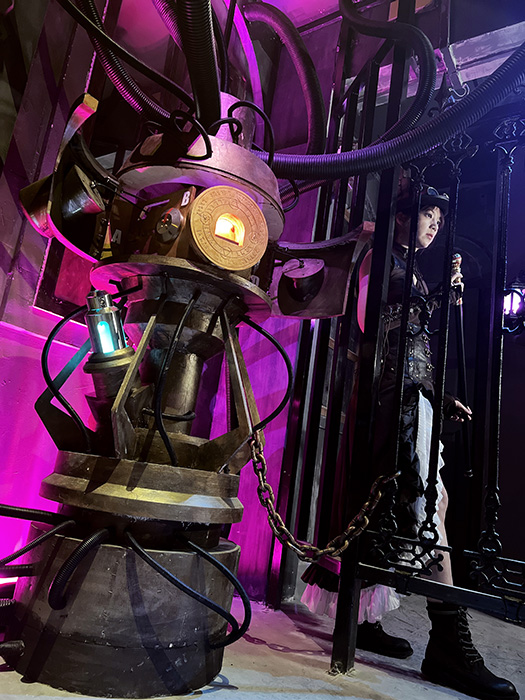
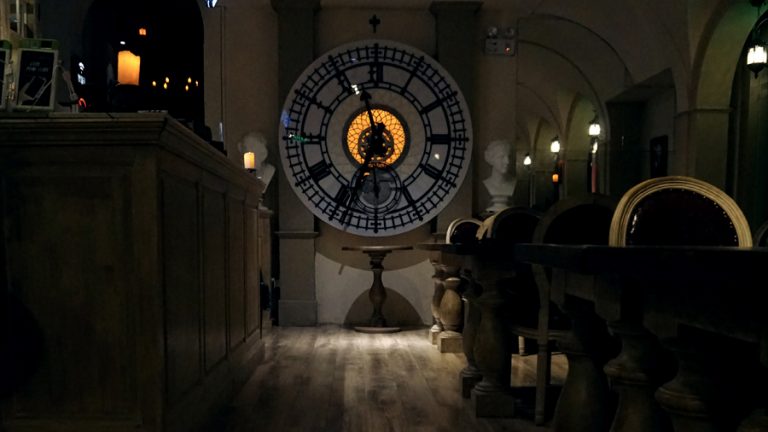
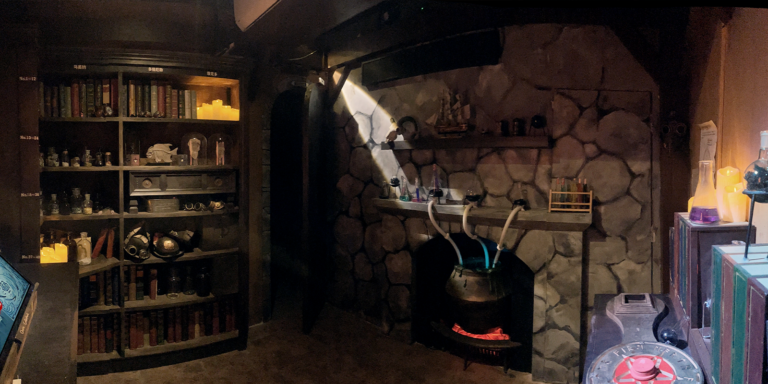
2022: We created a large-scale story theme that feels like watching a whole stage play. Stage lighting, character dialogue and live actors became part of the game, and every corner of the set was finely decorated. The goal was no longer just solving puzzles, but experiencing the entire story.
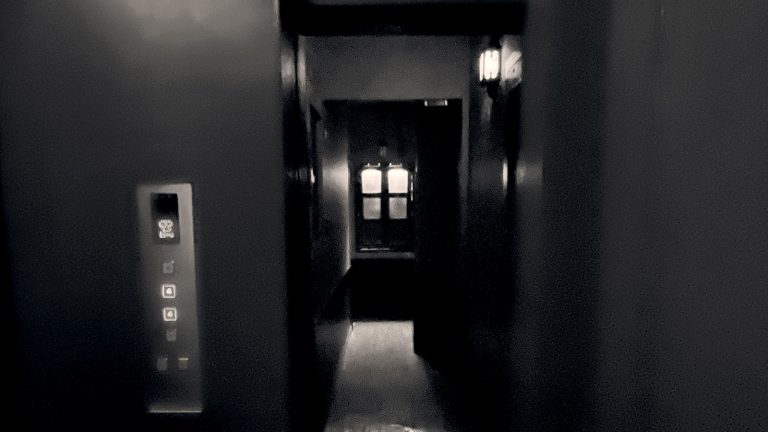
Immersive experiences
2019: The Dark. series made immersive escape games its main focus, and we began researching scripts and the play experience in depth. Horror experiences and story-driven puzzle games each started down their own path.
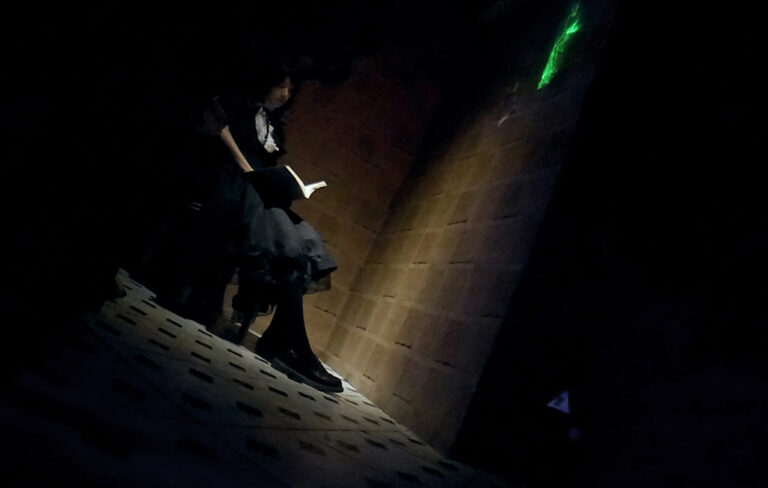
Games as theater
2018: To explore how escape games could be presented to an audience like a film or a play, we experimented with storytelling in small spaces and produced several experimental works. They showed us the future of escape games.
Richer atmosphere
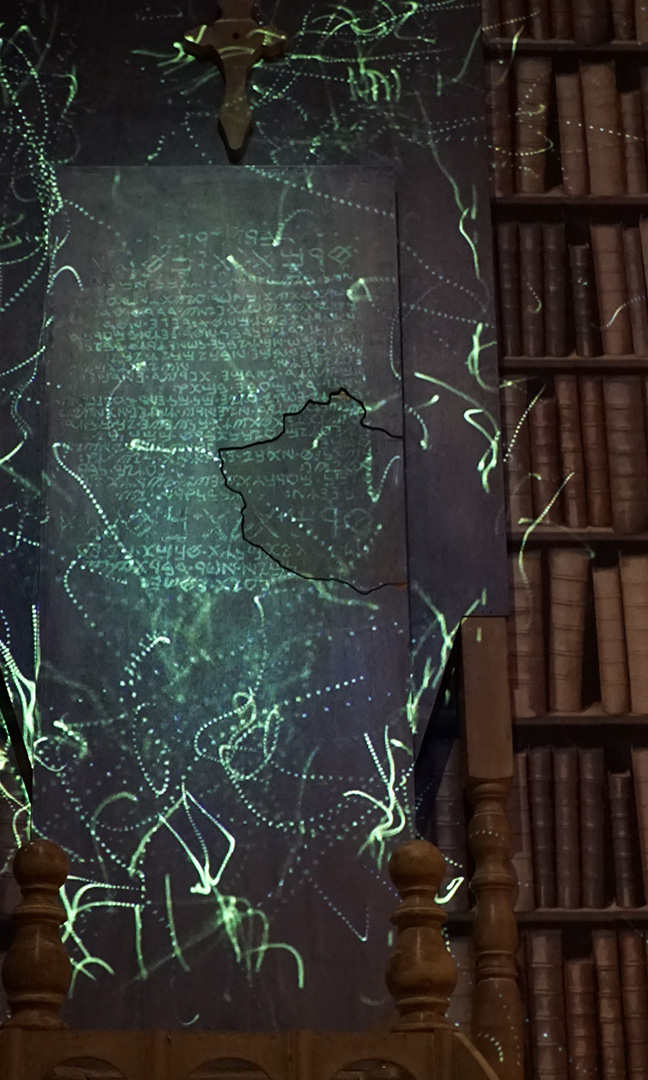
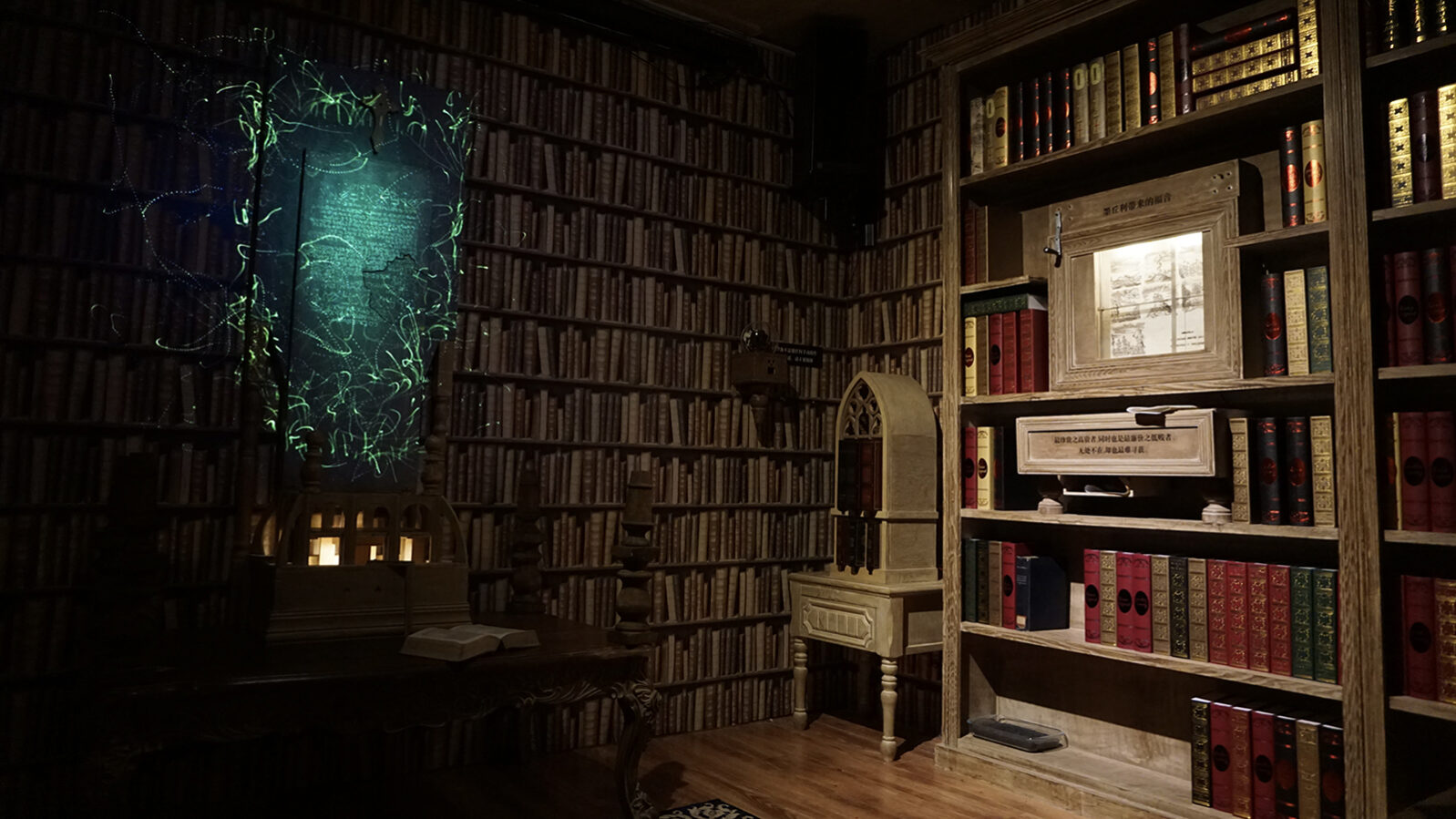
2017: To strengthen the atmosphere of our rooms, we explored projection technology and introduced real-time light-and-shadow effects as gimmicks — a big step up in visual impact for traditional escape games.
Horror themes
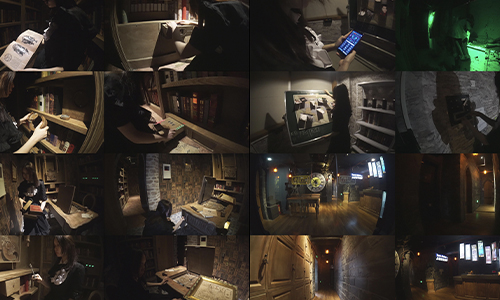
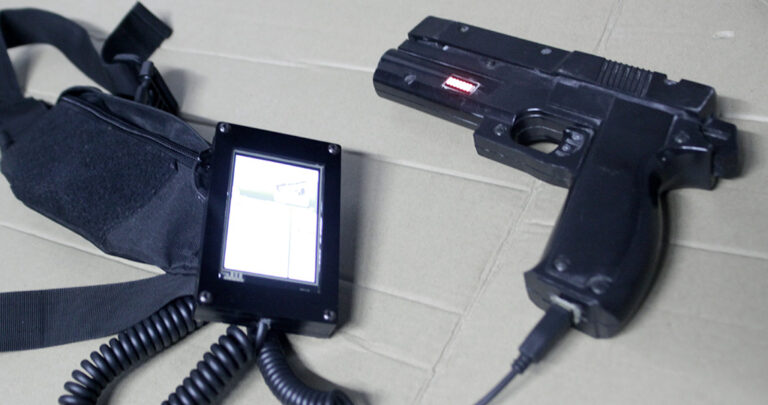
2016: To explore horror themes, we developed a light-gun system and a wearable real-time data response system. When you shot an enemy with the light gun, ammo counts and the enemy’s HP were displayed in real time.
Replayable themes
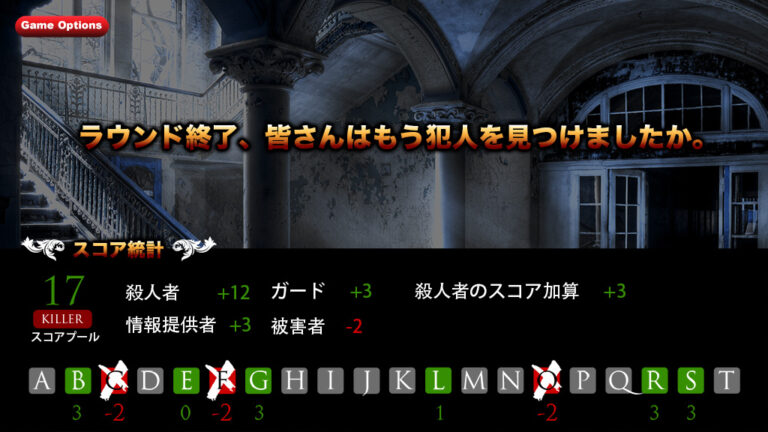
2014: To explore replayable themes, we developed a live-action “Werewolf” series and released several new versions over the next two years, giving players more freedom and far richer interaction between roles — a completely different experience. Later constraints meant it was not developed further.
The journey begins
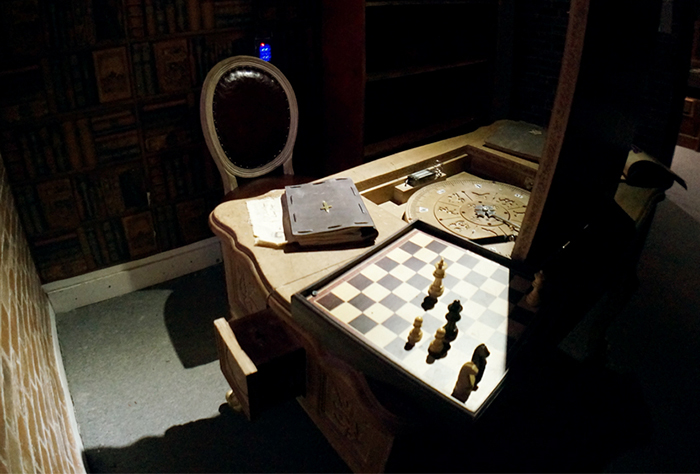
2013: To let players face real opponents inside an escape game, we developed a team-competition escape game system that made the game far more interactive.